My Ironman Journey - From Zero to Five
23 Feb 2026The voice cut through 16 hours of exhaustion.
“From India, first-time triathlete, Rishi Sareen, you are an Ironman.”
I sprinted the red carpet, jumped, and finished strong.
I had just finished what is called “World’s Toughest Single Day Endurance event”. I swam for 3.8km, then cycled 180km in Brutal Philippines hill and then ran a full marathon (42.2km). Ironman. Only 0.01% of the world has completed one.
Behind that lay two years of waking up at 4am, learning to swim from scratch, and one terrifying moment on a beach where I almost quit before the race even started.
But this story doesn’t begin at a finish line. It begins with a conversation that changed everything.
The Spark
Summer of 2016. My friend Anubhav and I were chatting during office coffee break. As it often happens, two friends full of more bravado and less common sense chat, he mentioned two big events happening soon in Delhi NCR : A 1500km cycle ride from Delhi to Mumbai, and a triathlon planned for early 2017, in middle of delhi winters.
I went back to my desk and looked it up. Swim, Ride, Run. Three disciplines. One race.
Then I wrote down an honest assessment of where I stood :
- Swim : I could float. Couldn’t breathe while swimming. 2 out of 10.
- Run : Longest distance ever : 7km. 3 out of 10.
- Ride : A few century rides. Not a complete beginner. 5 out of 10.
After weighing all this very carefully, I signed up for the Half Ironman distance. The hardest option available.
A few weeks later, a bigger thought crystallized (do you see a pattern here? :)) : I wanted to do a full Ironman before my 40th birthday. A 3.8km ocean swim, 180km bike, and a full 42.2km marathon. All in one day.
I was 38. No athletic background. Couldn’t swim. Had never run more than 7km.
But what is life without a crazy goal or two?
From Pool to Starting Line
Six months of learning the hard way.
Swimming coaches who kept changing and contradicting each other. One wanted me to kick more. Another wanted me to gain weight (fat floats better, apparently). The only useful thing I learned from them was how to stand in water.
Then, on Tim Ferriss podcast, I discovered “Total Immersion”. TI, as it is called, is a method focused on efficiency and relaxation in the water. The geek in me loved it. I re-read the book, decided to self-learn by it. I would take the book to pool, practiced the drills, and something clicked.
On my birthday, I swam 50 meters nonstop for the first time. By September, 1km. Something had clicked.
Running came with its own lesson. My knee started screaming. The Delhi Half Marathon was coming up. I was adamant about running it. My coach scolded me into withdrawing. “Live to die another day.” I hated that decision. It was the right one.
Changed shoes, moved to flat shoes (I still run in flat shoes). Fixed form. Started over.
February 2017. My first ever triathlon : and I’d jumped straight into the Half Ironman distance. Seven hours and 45 minutes later, it was done.
I was hooked.
The Moment I Almost Quit
Two more Half Ironmans later, I signed up for the real thing : Ironman Philippines, Subic Bay. I picked it because it was closest to my 40th birthday.
Anubhav and I flew in four days early for sea swim practice. Neither of us had ever swum in the ocean.
Practice day. Anubhav was in the water before I’d even figured out my borrowed Garmin. Standing alone on the beach did nothing for my nerves.
I started swimming. First 50 meters, fine.
Then the sea floor dropped away. Crystal-clear water. I could see exactly how far down the bottom was.
My mind declared : “Panic. You are going to die.”
I hyperventilated, thrashed back to shore, stood there breathing hard.
Remember, till date, all the swimming I’ve done in the pool. Where the floor is always visible. No one warned me of this.
I still remember that moment vividly. Every part of me wanted to walk away. But I knew if I left now, the fear would be ten times worse on race day. My Ironman would be over before it began. The cliche saying came in my mind : “You didn’t come this far only to come this far”
Deep breaths. Back in the water. Slow strokes. 100 meters. Pause. 150 meters. Turn back.
I reached the shore grinning. I did it!!
Bravery isn’t the absence of fear. It’s doing things despite it.
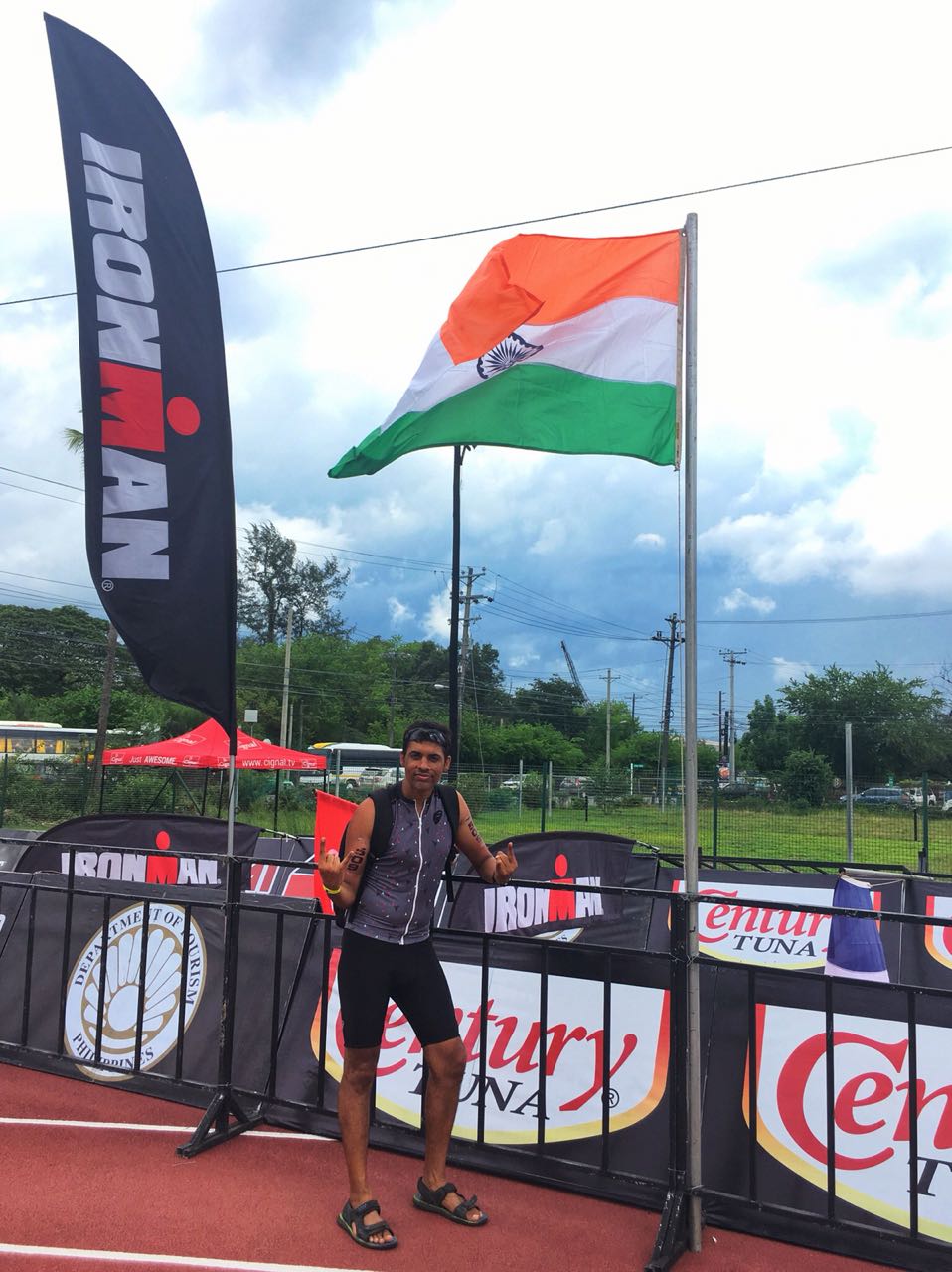
Race Day : June 3, 2018
Asia’s toughest Ironman course. 2000 meters of elevation on the bike. Seasoned athletes comparing it to Kona (World Toughest Ironman, world championship venue).
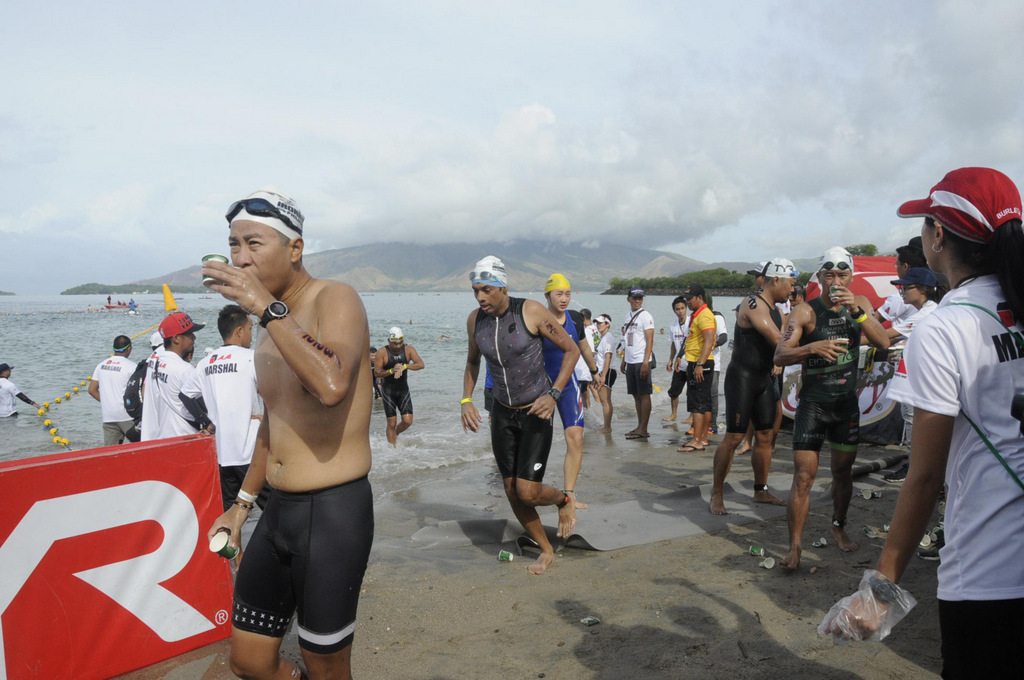
The swim was almost anticlimax after all that panic, as it stormed the night before and sea water was all murky. Counting breaths to drown out the chaos of a thousand jostling bodies, I entered the sea and started swimming. Exited after 1 hour 42 minutes. Right on plan.
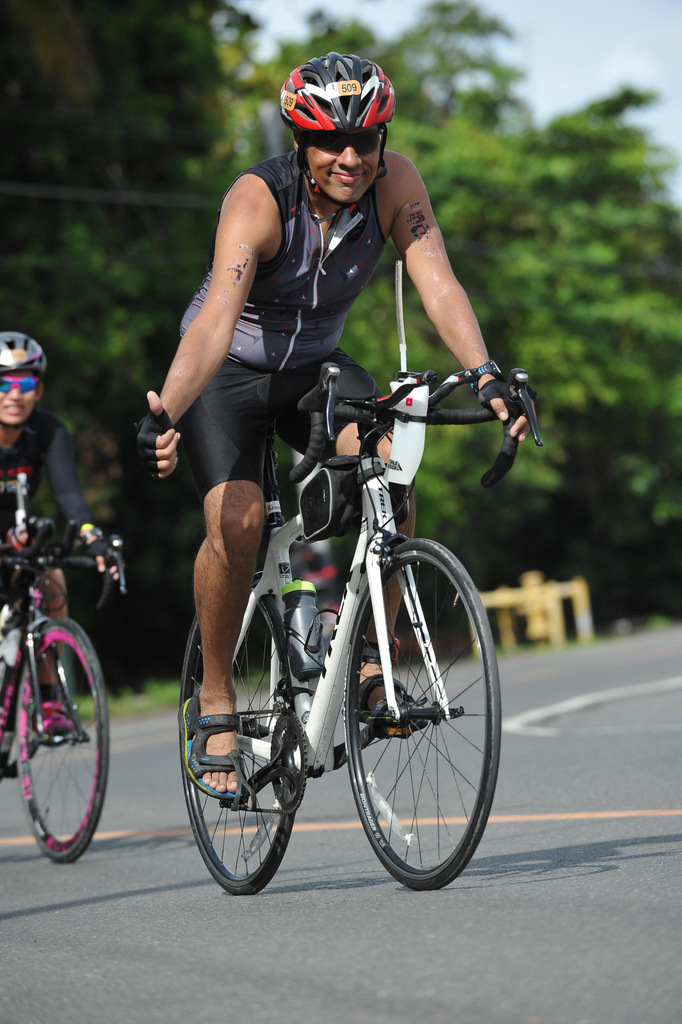
The bike was brutal. A 6% climb in the opening kilometers. Heavy rain at 130km. Relentless headwinds after that. Every pedal stroke a negotiation with my body. Nearly 8 hours. Over an hour slower than my worst estimate.
The marathon. My debut Ironman was also my debut marathon. 5pm. Eleven hours in. Never run more than 25km in training.
I met Vijay, another first-timer. We ran and walked together for 25 kilometers, pushing each other through the dark phase.
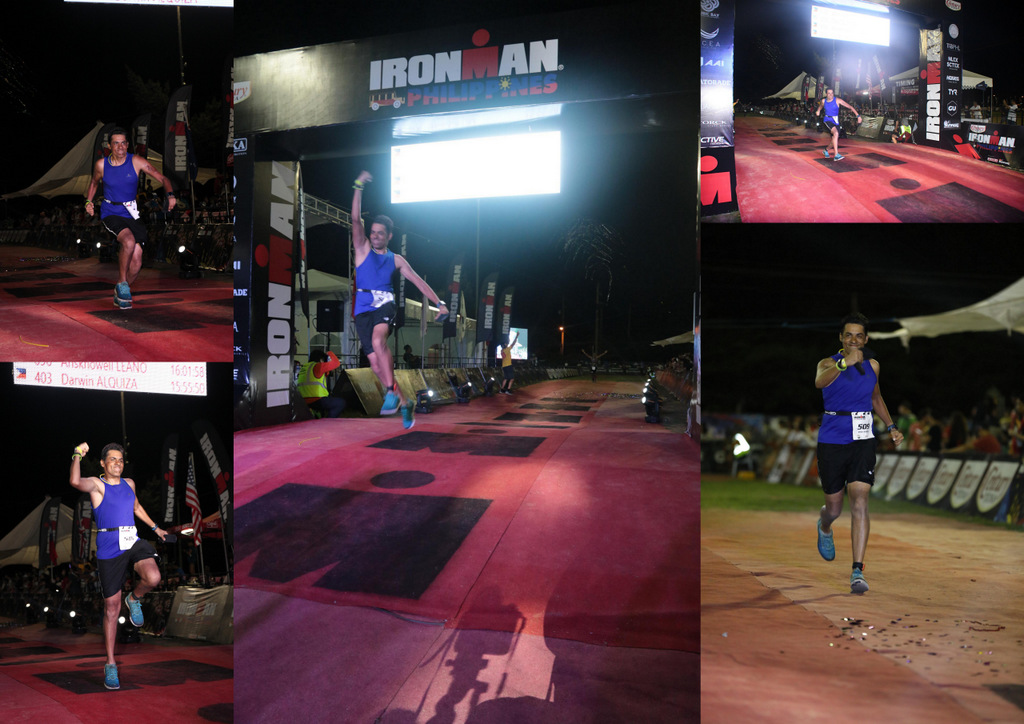
With 7km left and 40 minutes to make sub-16, I went all out. A pace I hadn’t done even on fresh legs. Those last kilometers were agonizing and beautiful. I told my mind to shut up. I overtook people. Mike Reilly’s voice grew louder.
I sprinted the red carpet. Jumped at the end.
15 hours, 57 minutes. Two months before I turned 40.
What Came After
That first Ironman was never the end. The bug had bitten too deep.
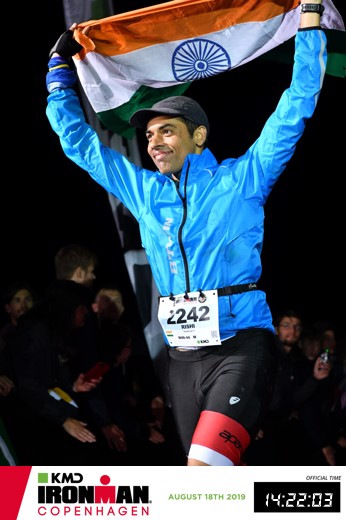
Copenhagen 2019. Cold, rainy Denmark. Panicked again during the practice swim : wetsuit felt like it was strangling me. But race day? Experience kicked in. Finished with the Indian flag on my shoulders. 14:22.
Covid wiped out three years of racing. But I kept training. Quietly building.
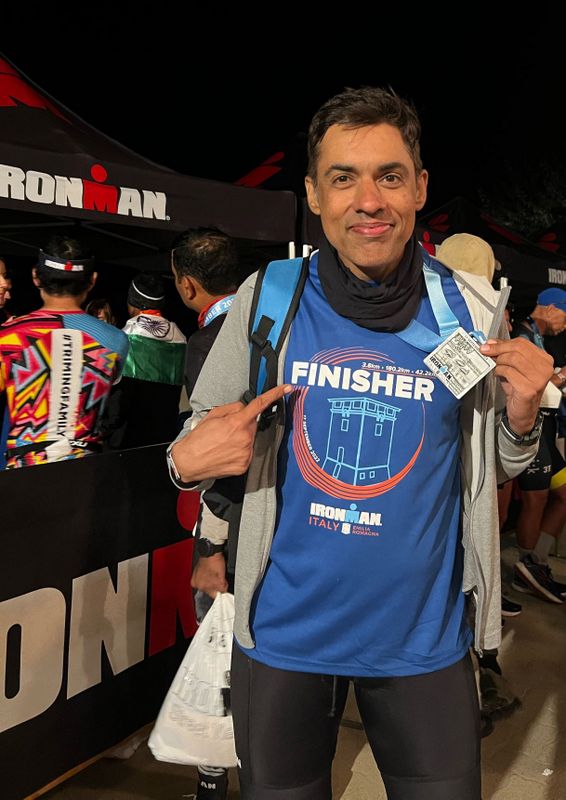
Italy 2022. Bad Covid weeks before the race. I let go of expectations. Something magical happened. Nutrition dialed in, stayed aero on the bike, and the marathon? Didn’t walk once. First time ever. 13:16, grinning the entire last loop.
Barcelona 2024. The breakthrough. Sub-12 hours. A time I once thought was beyond me. Every lesson from every race, finally clicking together.
This June (2025), in Frankfurt I did my fifth full ironman. So far.
Why Any of This Matters
People ask me why I started.
I don’t have a clean answer. I wasn’t chasing a dream since childhood. There was no dramatic turning point. I was 38. Life had followed the path that was laid out for me : study, job, marriage, kids. All good things. All chosen for me before I knew I was choosing.
Mid-life crisis? Maybe. A quiet restlessness that something was missing? Maybe. I honestly don’t know why I started.
But I know what it did to me.
Here’s what nobody tells you about training for an Ironman. It’s not the race that changes you. It’s the 5am alarm on a Tuesday when it’s 4 degrees outside and you have to get in a pool. It’s the long ride on a Saturday when your friends are at brunch. It’s saying no to the third drink because you have a 20km run tomorrow. It’s boring. It’s repetitive. It’s deeply unglamorous.
And in that unglamorous grind, I discovered something I didn’t know about myself : I can be consistent. Not talented. Not gifted. Consistent. Show up, do the work, repeat. For months. For years. That was new. That changed everything.
But the journey also showed me my darker side.
In Copenhagen, it rained the entire bike ride. Cold, shivering, miserable. I must have quit ten times during those seven hours. I just didn’t say it out loud. In Philippines, I stood on a beach and genuinely wanted to walk away from two years of preparation. In Italy, weeks after Covid, I questioned whether I even belonged on the starting line.
People don’t talk about these moments of doubt / struggle often. But they’re the ones that matter. Because when you’ve talked yourself out of quitting enough times, something shifts deep inside you. You start to trust yourself differently. Not in a loud, alpha way. In a quiet way.
I’ve been in dark places before. I came through. I’ll come through again.
That belief doesn’t stay in triathlon. It bleeds into everything. Into work. Into relationships. Into the moments when life gets hard and there’s no finish line in sight.
I’m not going to tell you to go sign up for an Ironman. That was my thing. Your thing might be completely different.
But I will say this : do something that scares you. Something where you’re not sure you’ll make it. Something unglamorous and hard and long enough that you’ll have to meet yourself on the bad days, not just the good ones.
Because the point was never the medal. The point was finding out who I am when everything in me says stop, and I keep going anyway.
Five Ironmans later, I still get nervous before every race. My heart still spikes in open water. My mind still whispers “turn back.”
But I know what’s on the other side now.
The red carpet. The voice on the loudspeaker. And six words that remind me what’s possible :
“Rishi Sareen, you are an Ironman.”